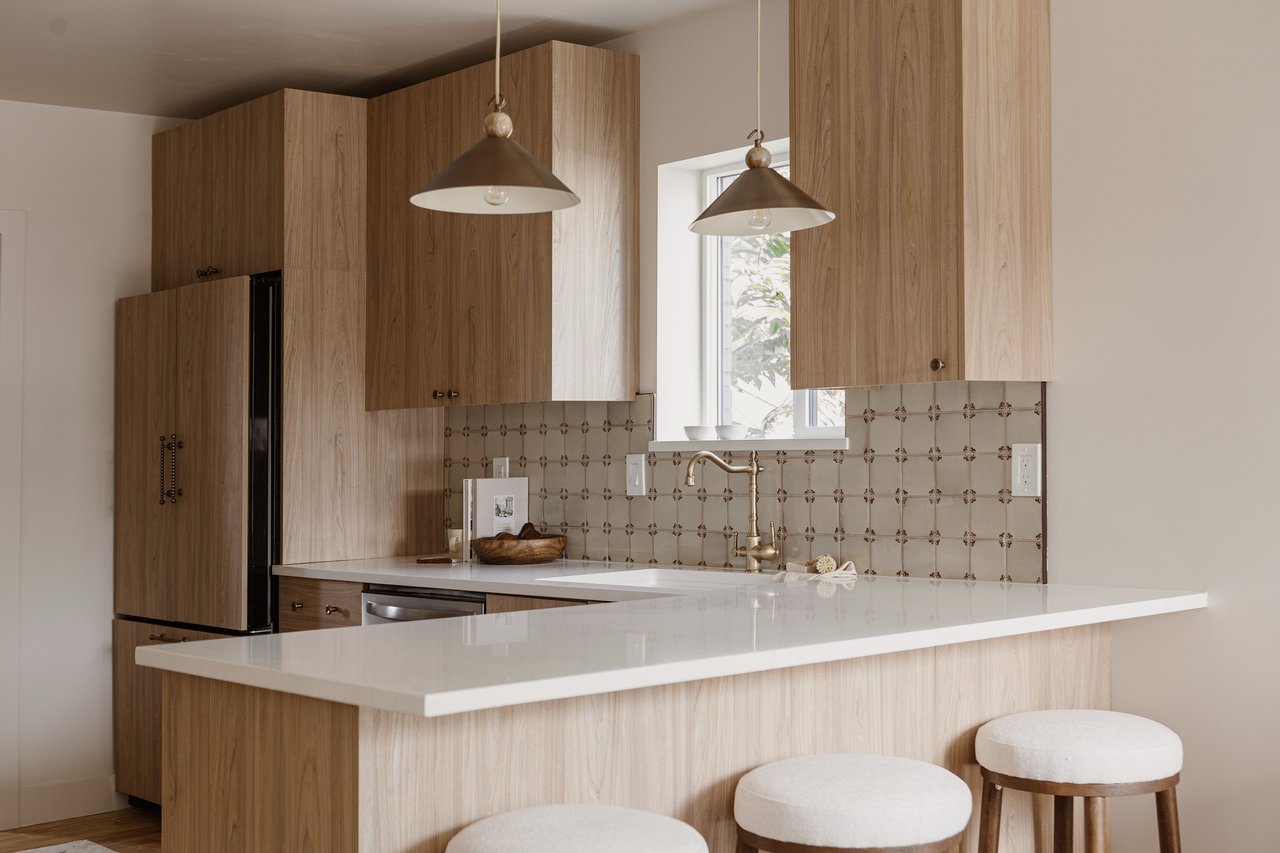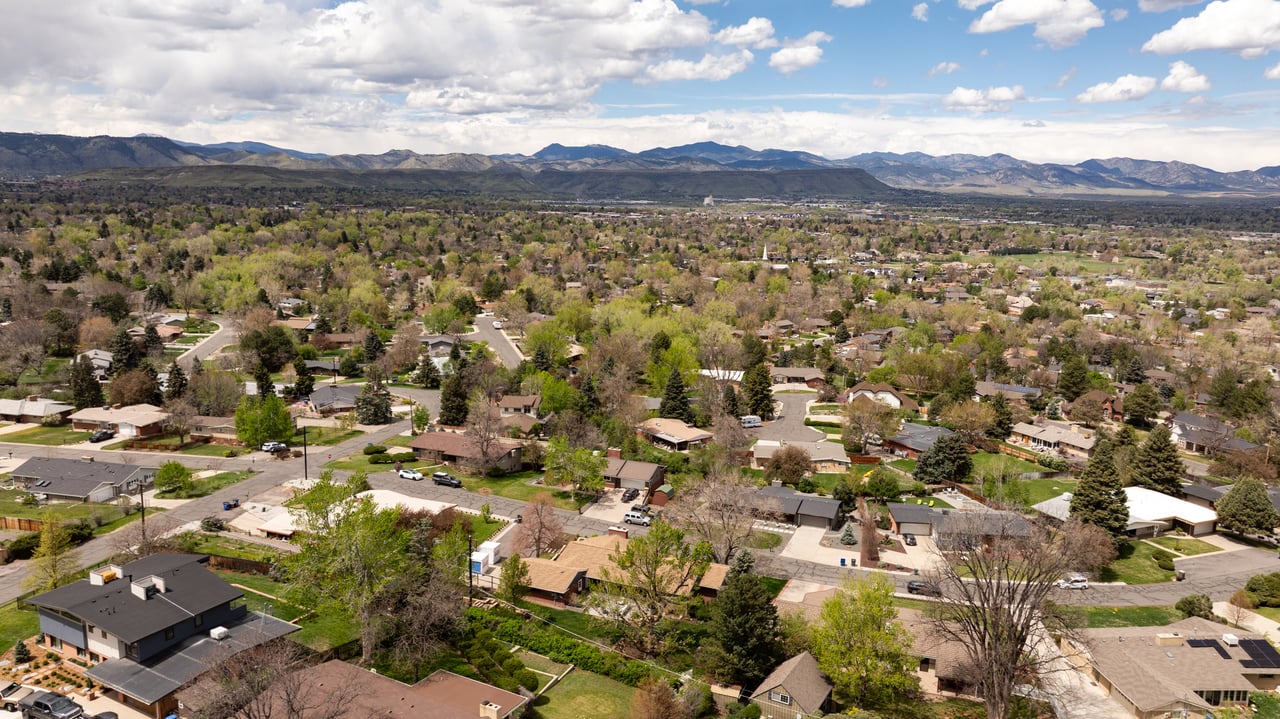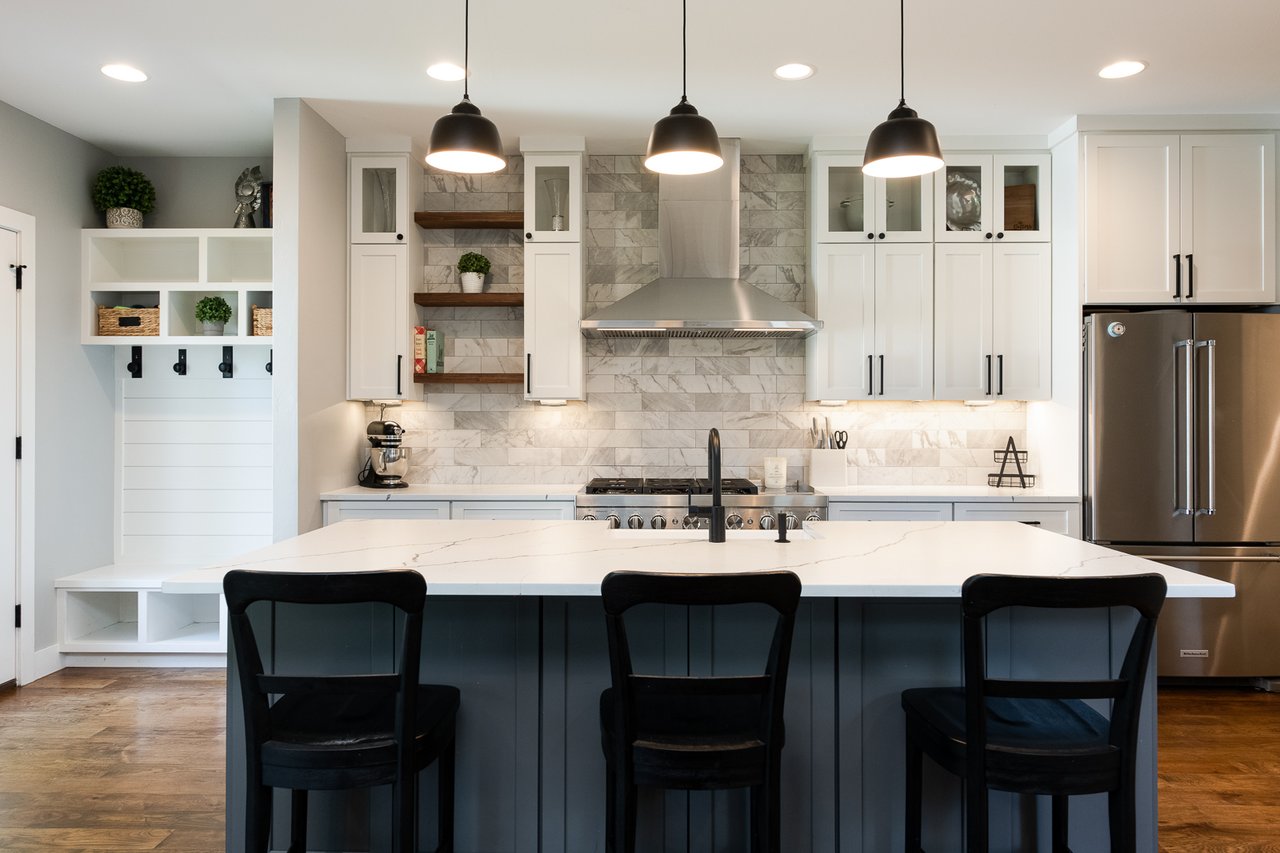
Not every successful home sale ends with eight offers.
At 4327 Wolff Street in Berkeley, we got one.
And one was all we needed.
I’m Jon Mottern, a Denver real estate agent focused heavily on Berkeley and northwest Denver, and 4327 Wolff is one of my favorite examples of why the number of offers isn’t necessarily the best measure of a successful listing.
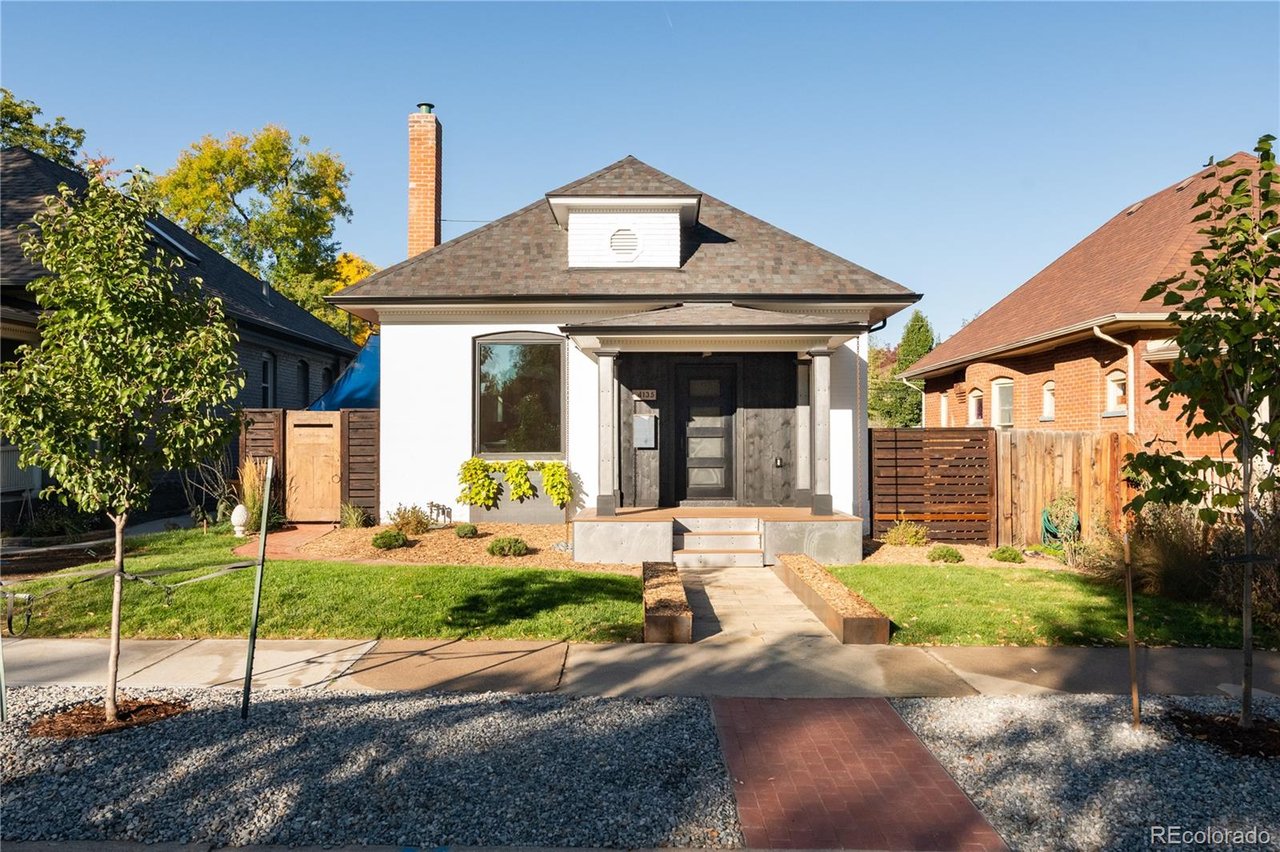
This property was very different from the other homes I had sold on Wolff Street.
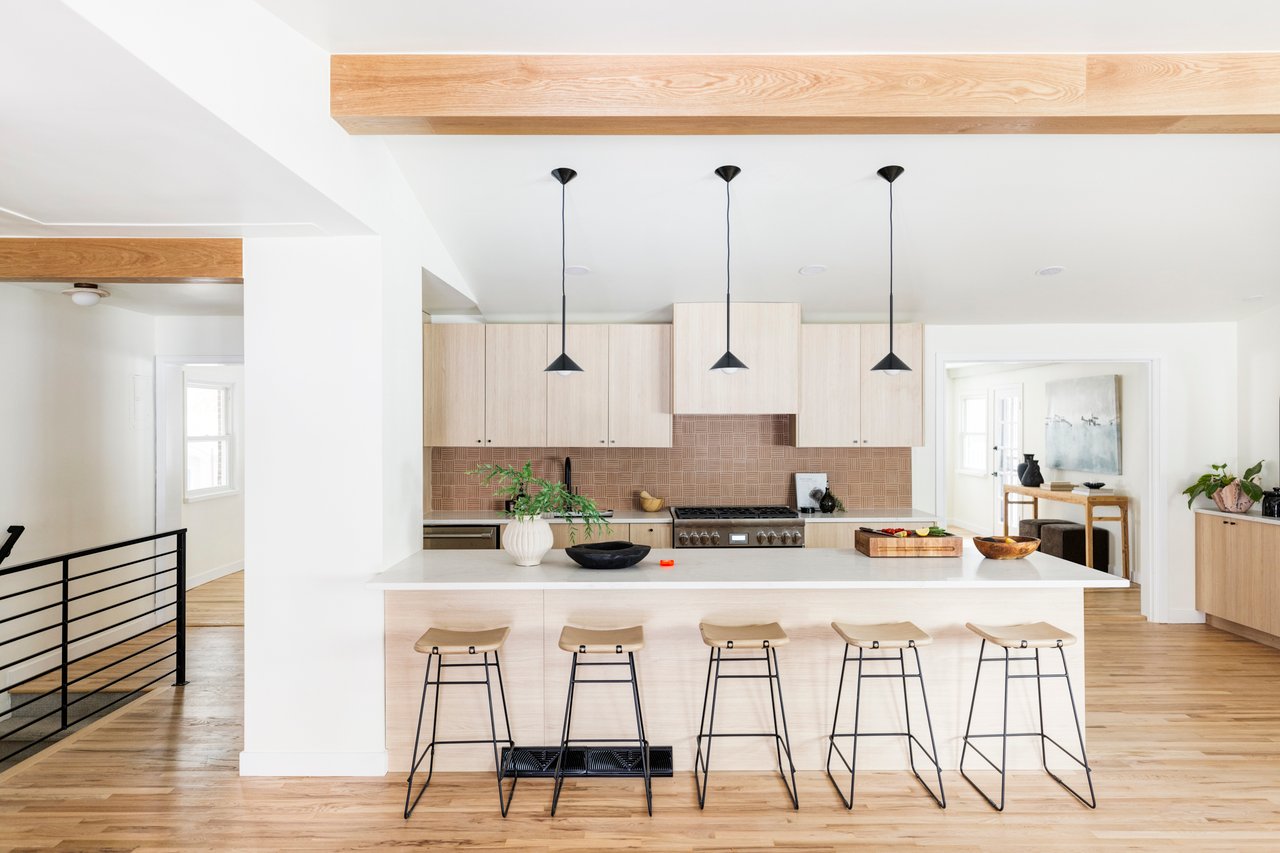
It was newer construction.
It was priced above $2 million.
And it included a full ADU above the detached garage.
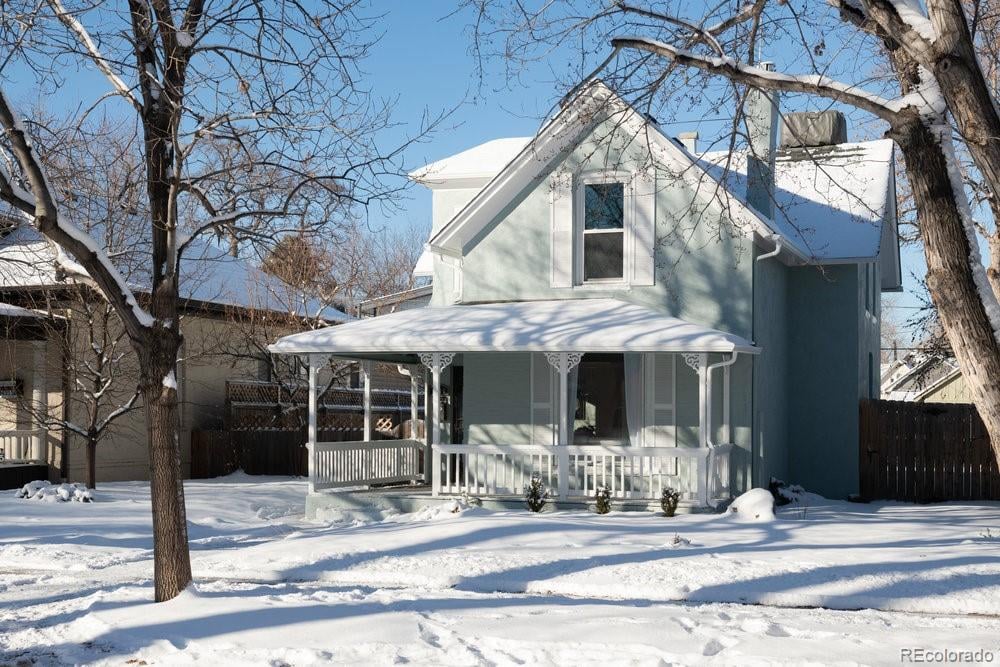
That meant a significantly smaller buyer pool than we had for the Victorian and bungalow I had previously sold nearby.
The sellers understood real estate themselves, and they also understood my approach.
They had originally found me through postcards, attended my neighbor events and appreciated the intentionality behind the listing process.
So when it came time to sell their own house, we planned to run essentially the same playbook.
There was just one problem.
We Couldn't Stage This One
The sellers couldn't move out.
Their family was still very much living in the home.
Furniture.
Kids.
Dogs.
In-laws.
Life.
Full staging simply wasn't realistic.
But that didn't mean we couldn't control the presentation.
We decluttered aggressively.
We rearranged furniture.
We moved excess belongings into the garage.
And when launch weekend arrived, I asked the family for one final favor:
Go to the mountains.
They booked an Airbnb for the weekend and gave me the house.
For those critical first few days, buyers weren't walking around dogs, children's belongings or family members going about their lives.
They were experiencing the property.
Same Process, Different Price Point
We held the neighbors-only event first.
Then we opened the house publicly.
I used the same Bakery Four strategy I'd been using for my Berkeley open houses: boxes of pastries from a few blocks away on Tennyson, promoted through my social channels and amplified when Bakery Four shared the event with its own audience.
The goal wasn't to pretend that a pastry was somehow going to sell a $2 million house.
The goal was attention.
Traffic.
Energy.
Another reason for someone in the neighborhood to send the listing to someone else.
Good real estate marketing isn't one magic trick.
It's stacking small advantages.
At 4327 Wolff, though, we were working with a fundamentally different buyer pool.
This wasn't an $850,000 bungalow.
At more than $2 million, there were simply fewer people capable of buying the home.
We weren't trying to manufacture the appearance of a bidding frenzy.
We needed to connect with the right buyer.
And we did.
One Full-Price Offer
The home went under contract in two days with an offer at the asking price.
It wasn't cash.
There was an inspection.
But we successfully navigated the inspection without reducing our price.
Price also wasn't the sellers' only priority.
They needed time after closing to complete their transition, so we negotiated a two-month leaseback.
We ultimately closed without issue.
A Good Result Isn't Always Measured by Offer Count
4327 Wolff may actually be one of my favorite examples of why sellers shouldn't obsess over the number of offers.
Eight offers sounds exciting.
Six offers sounds exciting.
But sellers don't get paid by the offer.
You need one buyer who can perform at terms that work for you.
For these sellers, success meant:
A full-price contract.
Two days on market.
No inspection reduction.
A two-month leaseback.
And a smooth closing.
Different property.
Different buyer pool.
Different result.
Same underlying process.
Why Hyperlocal Marketing Still Mattered at $2M+
One thing I especially like about the three Wolff Street sales is that they show that neighborhood marketing isn't just for entry-level or mid-market listings.
The owners of an award-winning bakery down the street.
A neighbor who knows somebody trying to move into Berkeley.
An Instagram follower who recognizes the block.
A friend who texts the listing to another friend.
Those connections don't stop mattering because the house costs $2 million.
If anything, when the buyer pool gets smaller, finding additional ways for the right people to discover the property becomes more important.
That's why my process isn't simply “put it in the MLS and wait.”
Selling a Higher-End Home in Berkeley?
Having sold everything from an older Victorian and smaller bungalow to newer construction above $2 million on the same Berkeley street has given me an unusually granular view of how different buyer segments respond to homes in this neighborhood.
The presentation changes.
The buyer pool changes.
The negotiation changes.
But the fundamentals of a strong listing process remain remarkably consistent.
If you’re thinking about selling a home in Berkeley or northwest Denver, I’m always happy to talk through how I would prepare, position and launch it.