Almost every serious buyer considering an A-Frame Club cabin eventually asks me the same question:
“What did these cabins rent for last year?”
Usually the next question is:
“Can you show me a pro forma?”
They’re completely reasonable questions.
So I want to be very direct about the answer.
I can’t give you income or occupancy projections on this property. The hospitality operation is managed by the developer, and using rental projections to market the purchase of the real estate creates potential securities-law issues. The real estate sales side is not permitted to hand you a pro forma or promise you a particular level of rental performance.
That can feel strange when you’re considering a property that may be rented when you aren’t using it, so it’s worth explaining why.
Why Does Securities Law Have Anything to Do With Buying a Cabin?
You are buying actual real estate: an individually owned A-frame cabin in Winter Park.
But A-Frame Club also operates within a hospitality environment in which a third party manages the rental operation.
That combination is important.
The SEC has long recognized that selling real estate by itself generally isn’t a securities transaction. But when the sale of real estate is coupled with a rental arrangement and the sales pitch emphasizes profits buyers may receive through the managerial efforts of the developer or another third party, the transaction can potentially begin to resemble an investment contract rather than simply a real-estate purchase. SEC
That means how the property is marketed matters.
There is a major difference between saying:
“You can own this cabin and there is a hospitality operation available to rent it when you aren’t using it.”
and saying:
“Buy this cabin because we expect it to generate $X per year at Y% occupancy.”
The second statement starts marketing an expected financial return generated by someone else’s management.
That is precisely the area where securities-law concerns arise.
There Is SEC Guidance on This Exact Issue
This isn’t some unusual restriction invented for A-Frame Club.
In a 2002 SEC no-action matter involving Intrawest, a major developer and operator of mountain-resort condo-hotels, the proposed sales structure specifically separated the real estate sales operation from the rental management operation.
Under that structure, real estate sales representatives would not provide buyers with rental histories of comparable properties or discuss the economic benefits of the rental program. Future rental-income projections and expected occupancy rates would not be provided. SEC
The SEC staff stated that it would not recommend enforcement action based on the particular facts and representations made in that case. The SEC also cautioned that different facts could produce a different conclusion, so the Intrawest letter is useful guidance rather than a blanket rule for every condo-hotel transaction. SEC
But it explains very well why this distinction exists.
So Why Can’t I Just Give You the Historical Numbers?
Because I’m the real estate broker helping you evaluate and purchase the cabin.
My role cannot become:
“Here is how the hospitality business has performed, therefore here is what your investment should earn.”
I also can’t take historical performance and build a spreadsheet showing what I think your future return will be.
Even if everyone understands that a projection is only an estimate, handing a prospective buyer a pro forma can turn rental performance into part of the economic inducement for buying the real estate.
The SEC’s condominium guidance specifically says that the manner in which a property is offered and the economic inducements presented to purchasers matter when determining whether a real-estate offering may involve a security. SEC
So this is not me being evasive.
And it is not because I have a number that I don’t want you to see.
I simply am not going to make up an income number, occupancy percentage or return projection to make a buyer feel more comfortable purchasing the property.
What I Can Give You
This restriction doesn’t mean you have to evaluate an A-Frame Club cabin blindly.
There is a lot of information I can help you understand.
I can explain the purchase price and current availability.
I can walk you through the HOA and known ownership expenses.
I can explain the 90-day owner-use structure.
I can explain how the management arrangement works.
I can help you understand the condo-hotel financing requirements.
I can provide the questions I believe you should ask the developer about the hospitality operation.
I can connect you with a CPA who understands short-term rentals, condo-hotels, cost segregation and this type of ownership structure.
And I can point you toward public Grand County and Winter Park market data so you can research the broader lodging and short-term-rental market independently.
What I will not do is take those data points and turn them into:
“Therefore your cabin will make $75,000 next year.”
That would be a projection, and that is exactly the line I do not want to cross.
What Should You Ask the Developer?
If rental performance is important to your decision, I would ask questions like:
How does the rental-management program operate?
How are nightly rates determined?
What management fees apply?
What expenses are paid by the owner versus the manager?
How are reservations allocated?
Are there differences in rental treatment among individual cabins?
How does owner use interact with rental availability?
What information can the hospitality operation provide directly in response to a buyer inquiry?
What happens when an owner wants to use the cabin during a period that might otherwise be rented?
Those are worthwhile due-diligence questions.
I can help make sure you’re asking them.
How Do I Decide Whether the Purchase Makes Financial Sense?
This is where I think buyers should separate known numbers from assumptions.
You know the purchase price.
You can obtain actual financing terms.
You can determine the HOA and other fixed ownership expenses.
You can review the management agreement and associated fees.
You can determine how often you personally expect to use the cabin.
You can review broader publicly available Grand County market information.
Then you can sit down with your own CPA or financial advisor and build whatever assumptions you believe are reasonable.
That is very different from the broker selling the property handing you a developer-backed projection and telling you what you should expect to earn.
I’d Rather Give You an Incomplete Answer Than a Fake One
I understand why buyers want a simple spreadsheet.
If you’re buying something that may generate rental income, naturally you want to know what the numbers look like.
But there is a false sense of certainty that can come from a beautifully formatted pro forma.
Snowfall changes.
Tourism changes.
Nightly rates change.
Occupancy changes.
Management expenses change.
Owner use changes.
And one cabin may not perform exactly like another.
I would much rather tell you what I know, what I don’t know, and where you can independently investigate the rest than manufacture a number because it helps sell a cabin.
The Short Version
If you ask me for A-Frame Club’s rental income, occupancy history or a future-income projection, my answer is going to sound something like this:
I can't give you income or occupancy projections on this property, and I want to be direct about why. The hospitality operation is managed by the developer, which makes projections a securities issue. The real estate sales side is not permitted to hand you a pro forma.
What I can do is give you the operating-history questions to ask the developer, put you in front of a CPA who understands this asset class, and share the public Grand County market data.
What I won't do is make up a number to make you comfortable.
That may not be as satisfying as receiving a spreadsheet with a projected return at the bottom.
But I think it’s the more responsible way to evaluate this kind of property.
Considering A-Frame Club?
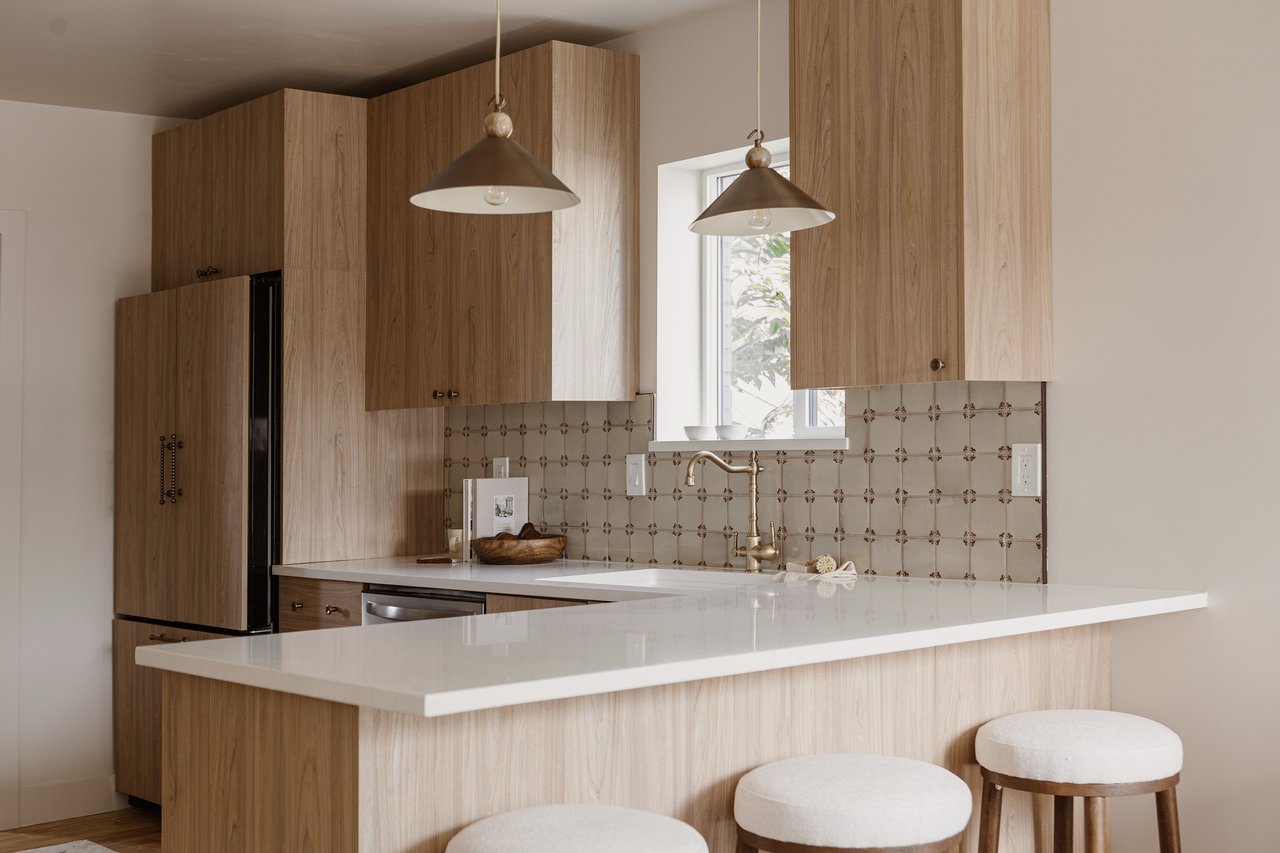
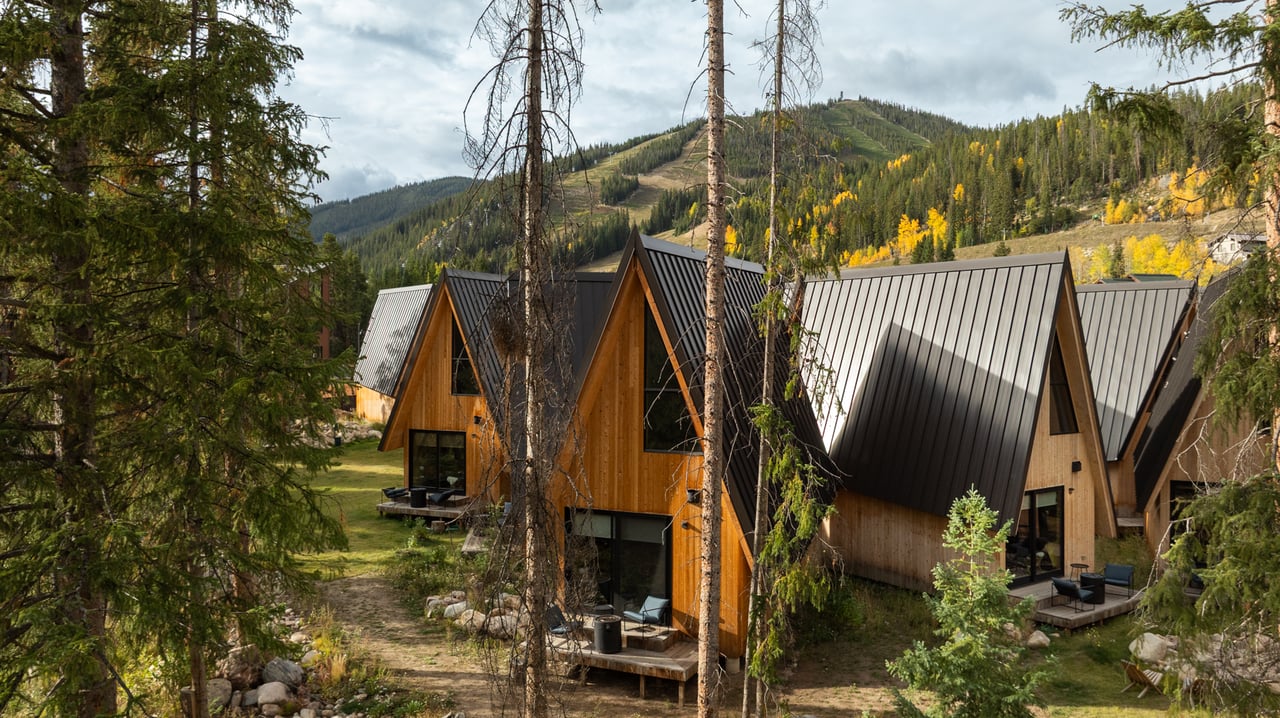
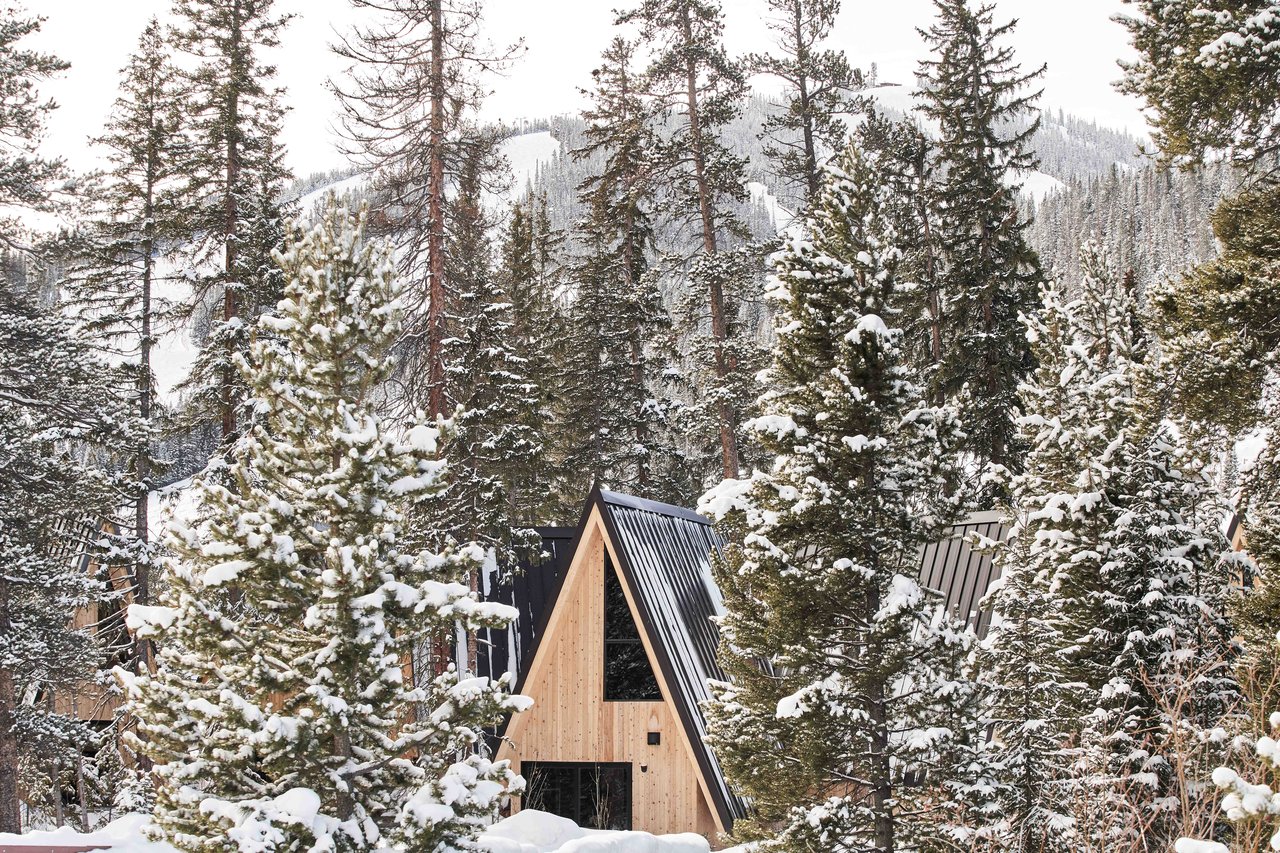
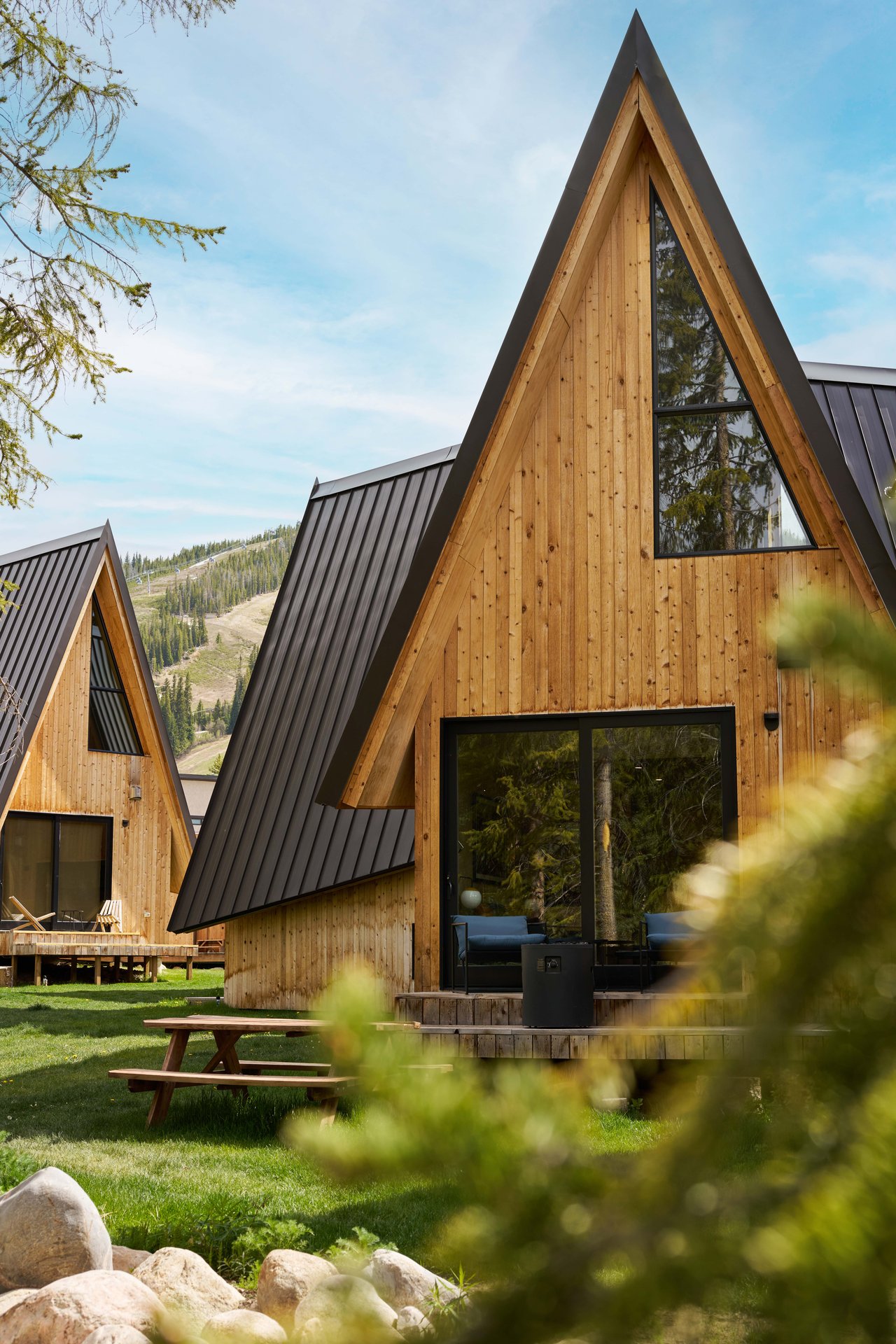
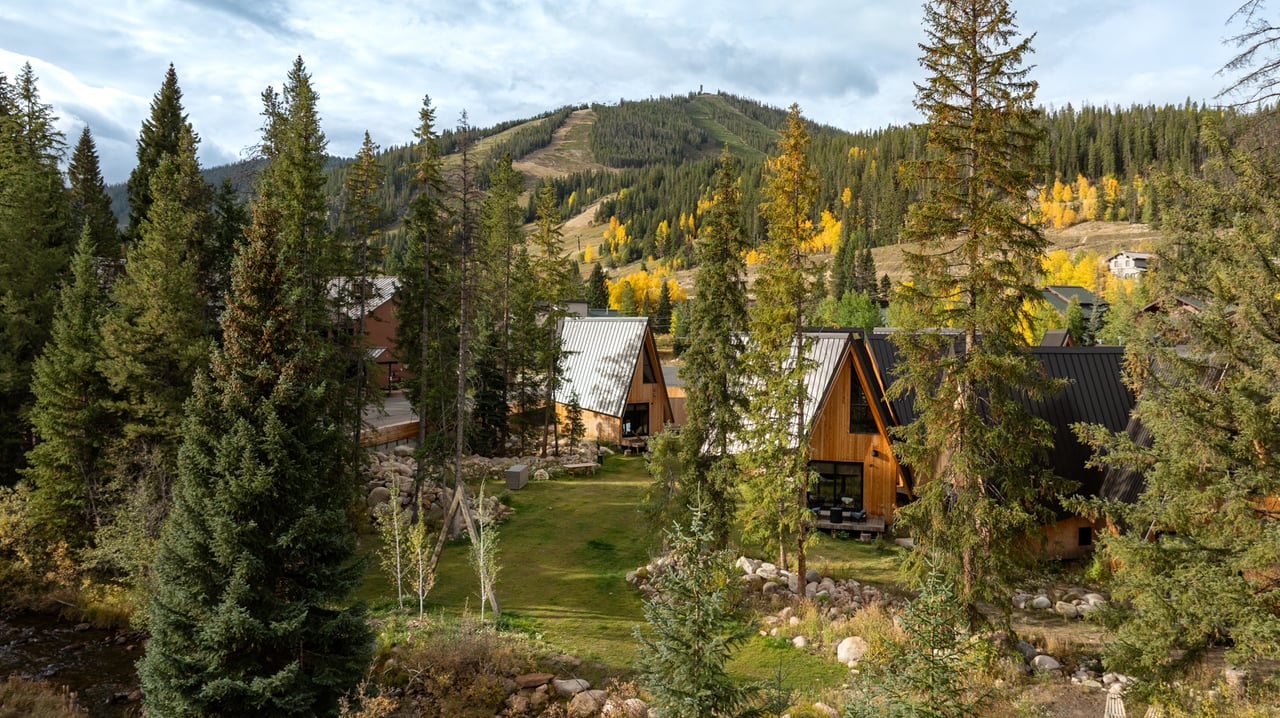
A-Frame Club consists of 31 freestanding, architect-designed A-frame cabins in Old Town Winter Park.
If you’re evaluating one of the available cabins, I can help you understand the real estate itself, ownership structure, financing, management agreement, personal-use rules and current availability — and help you assemble the right professionals and information to do your own financial due diligence.
Important Links/References:
AKERMAN ARTICLE
CONDO HOTEL CENTER
Important Disclaimer
This article is intended to explain why certain rental-performance information and projections are not being provided through the real-estate sales process for A-Frame Club. It is not legal, securities, tax or investment advice. Whether a particular real-estate offering constitutes a security depends on the specific facts and circumstances, and buyers should consult their own qualified legal, tax and financial professionals.