Applewood is one of those places that makes more sense once you actually drive it.
You are close enough to Denver that getting downtown is still easy, close enough to Golden that the foothills feel like part of your everyday life, and the housing stock is completely different from what the same money generally buys you a few miles east.
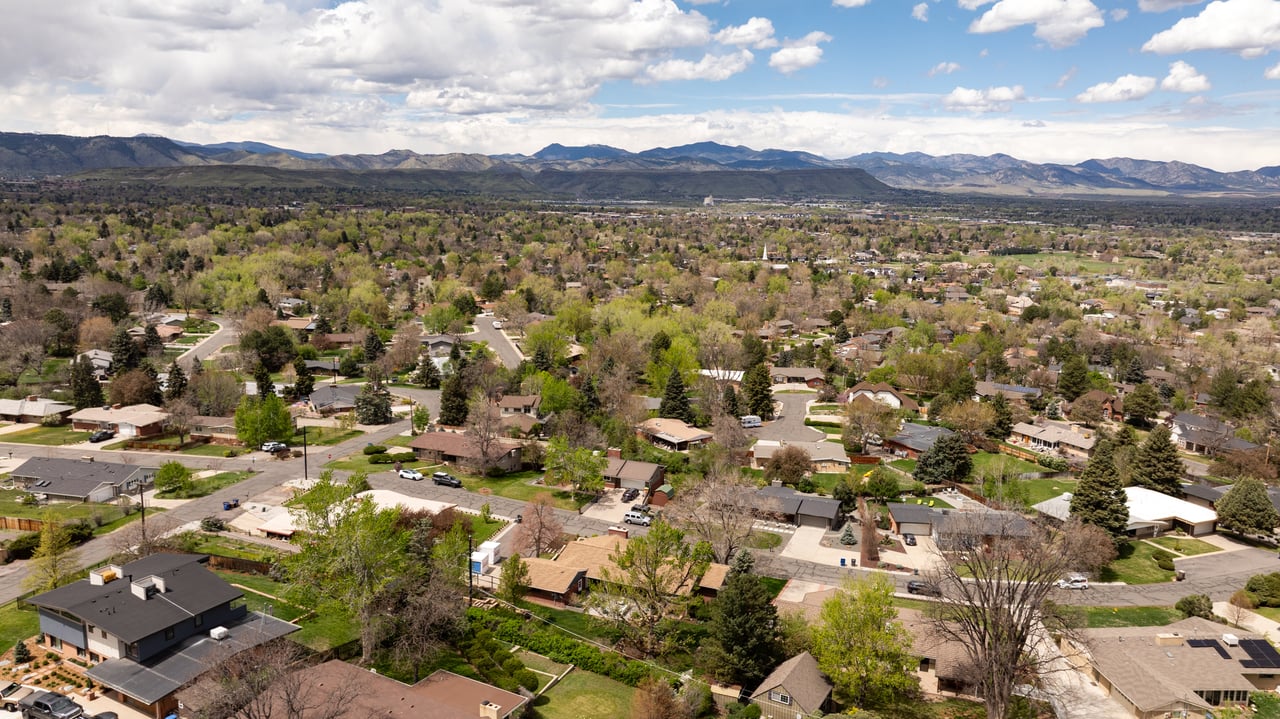
Bigger lots. Mature trees. Garages. Ranches and split-levels that were built when builders still left some breathing room between houses. Streets where you can actually see the foothills at the end of the block.
That combination is why I spend so much time here and why so many of my clients who start in Berkeley, West Highland, Sunnyside, or Sloan's Lake eventually end up looking west.
It is also why I think Applewood Villages, in particular, is one of the best values in the west Denver market.
I work throughout Applewood and Applewood Villages representing buyers and sellers, sourcing homes privately, evaluating renovations, and helping people make the move between northwest Denver, Wheat Ridge, Applewood, and Golden.
And Applewood is a neighborhood where knowing exactly what you are looking at matters because not all Applewood is the same.
This is probably the most confusing part for buyers.
"Applewood" gets used as a catch-all term for a fairly large area west of Denver. Depending on who is talking, it can mean Applewood Villages in Wheat Ridge, Applewood West closer to Golden, one of the smaller Applewood subdivisions, or the broader collection of neighborhoods around them.
Real estate websites do not help. Different portals draw the boundaries differently, and a Golden mailing address does not necessarily tell you much about how the neighborhood actually feels.
So I tend to think about Applewood in pockets rather than as one giant neighborhood.
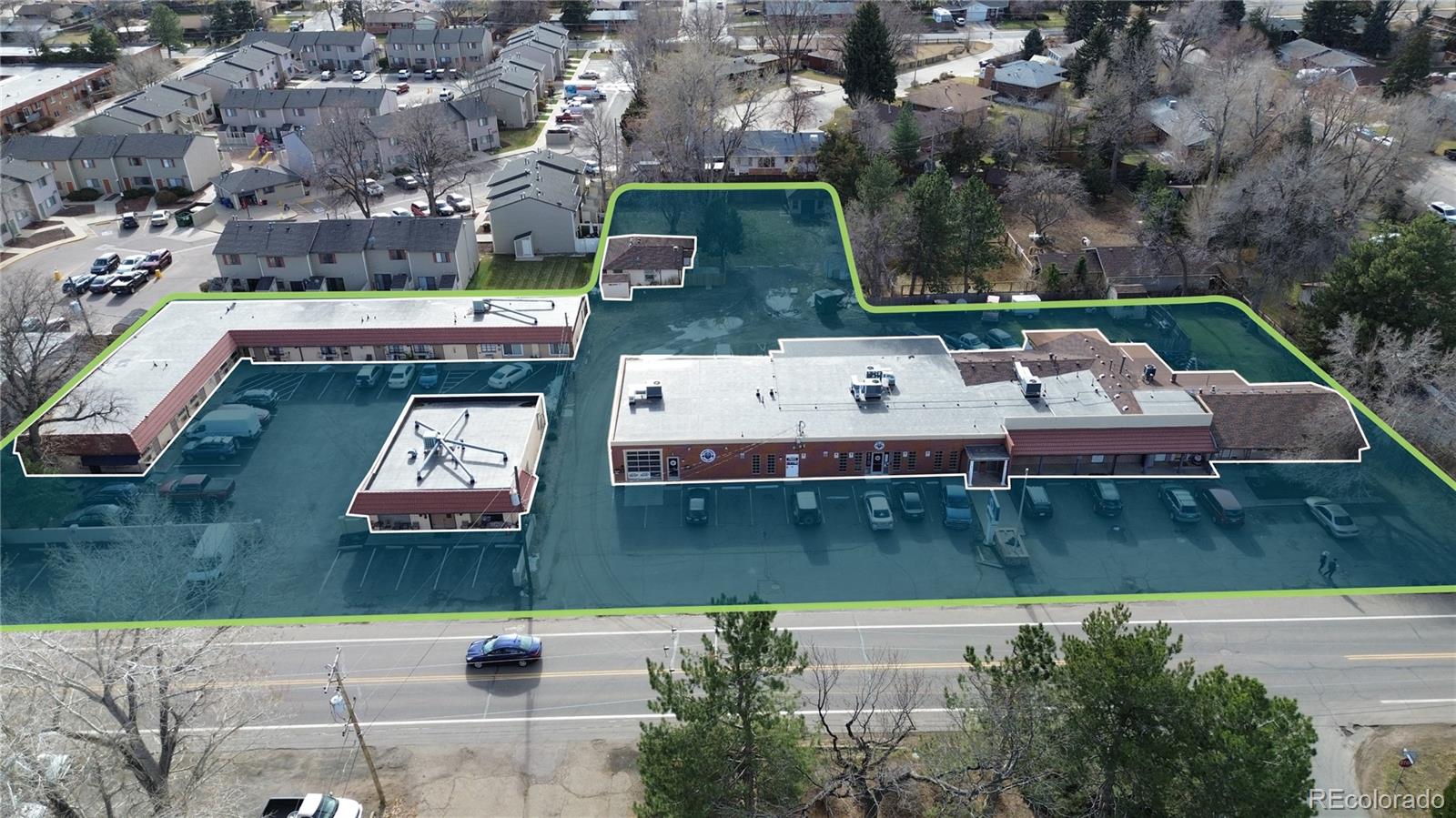
Applewood Villages is the Wheat Ridge section roughly between 29th and 38th, from Youngfield to Simms.
Head farther west and the housing starts to change. Lots generally get bigger, values rise in many pockets, and you begin getting into what buyers commonly think of as Applewood West and the Golden side of Applewood.
The important thing is that two homes with "Applewood" in the listing description can offer very different experiences.
That is also where some of the opportunity is.
If somebody tells me they want Applewood but does not want to spend well into seven figures just to get a decent house and yard, Applewood Villages is one of the first places I look.
You still get the things people are usually moving west for.
Mature streets. Real yards. Ranches and split-levels with useful square footage. Garages. Easy access to Golden. Easy access back into Denver. The foothills sitting right there to the west.
But you can often buy into Applewood Villages for considerably less than the most expensive parts of greater Applewood.
That is the point I think gets missed when people search purely by city name or ZIP code.
A buyer coming from Berkeley or West Highland may be comparing an older 1,500-square-foot Denver house on a 6,000-square-foot lot with an Applewood Villages ranch that has more usable space, a larger yard, a two-car garage, and dramatically better access to the mountains.
It is not necessarily the trendier address.
It can be the better house and the better lifestyle for the money.
That is why I wrote an entire piece on Why Applewood Villages Is the Best Value in Greater Applewood. It is not that Applewood Villages is objectively "better" than Applewood West. It is that the price difference between the two can be much bigger than the lifestyle difference for the right buyer.
The ranch is the workhorse here.
A lot of Applewood Villages was built in the era when a brick ranch, attached garage, basement, big front window, and a decent backyard was basically the American dream.
Sixty years later, it is a pretty useful house.
The better ones tend to have three bedrooms on the main level, hardwood underneath whatever somebody installed in 1997, a full basement, an attached garage, and enough lot that you are not staring directly into your neighbor's kitchen.
Then there are the split-levels and bi-levels. Buyers sometimes dismiss them in photos and then realize in person that the layouts can work extremely well, particularly for families who want separation between living spaces without buying a giant house.
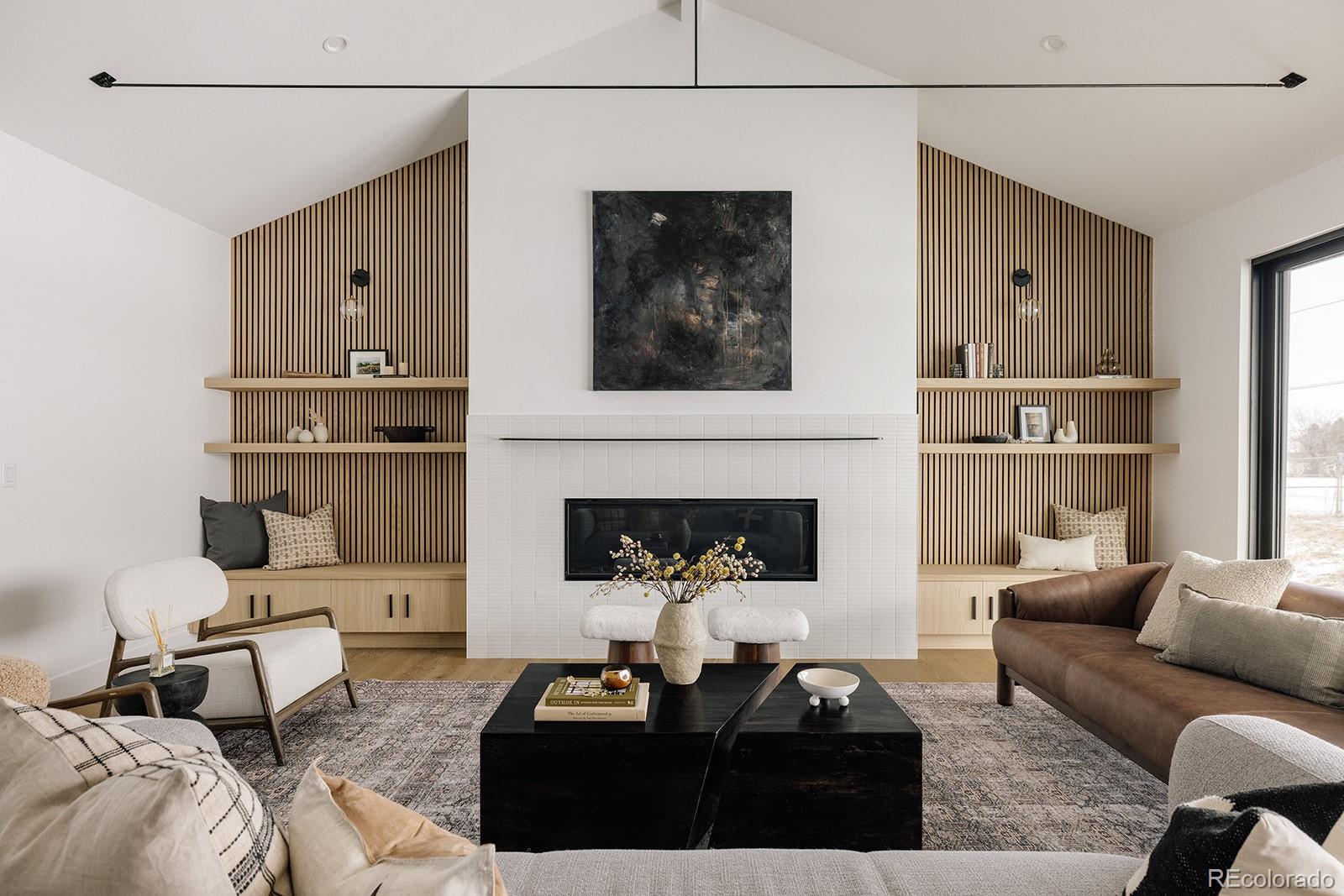
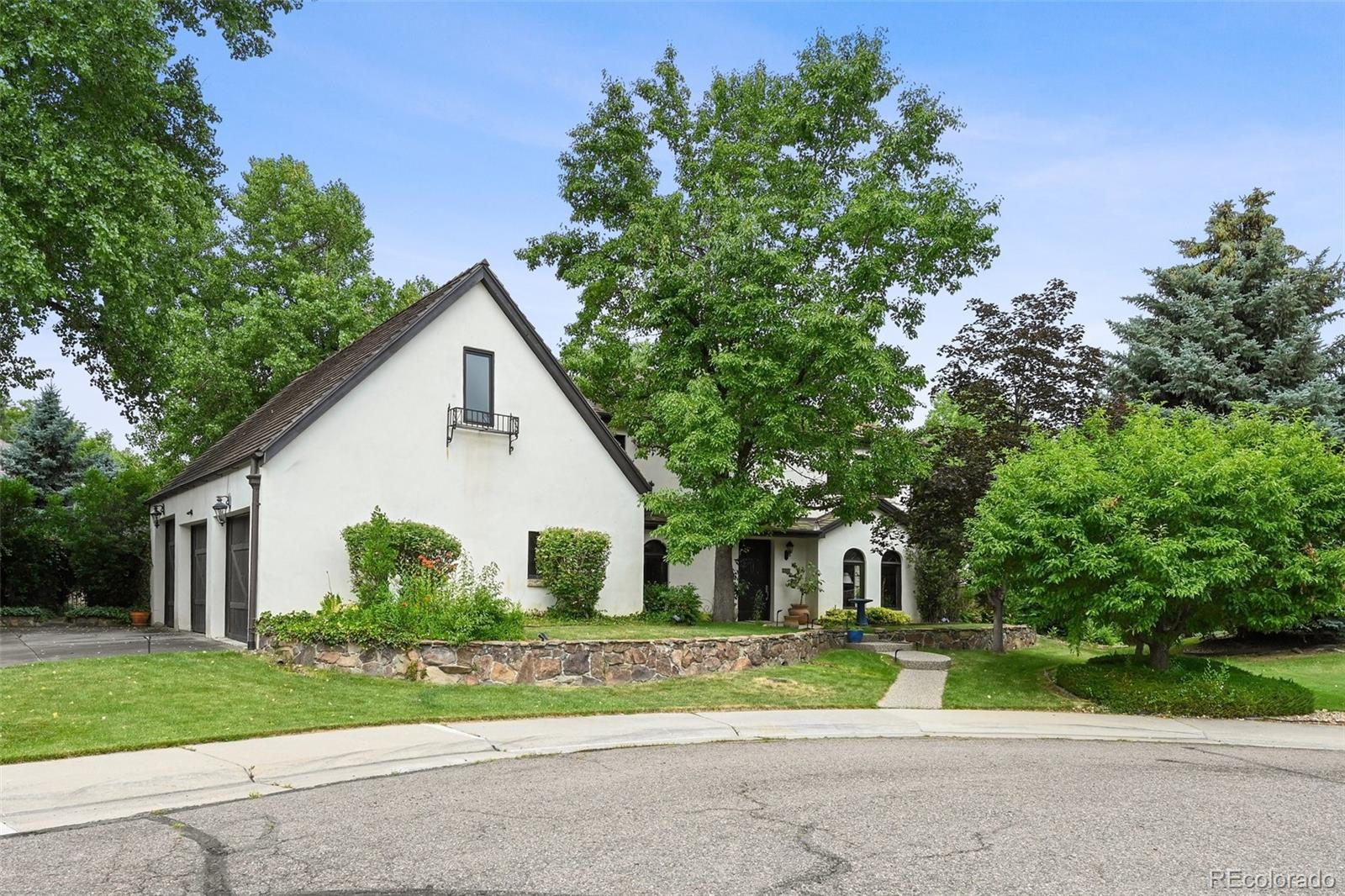
Farther west and in some of the custom pockets, things get bigger and more varied. You will find sprawling ranches, 1970s custom homes, remodeled properties pushing well into the luxury range, and some newer construction.
That variety is part of Applewood's appeal, but it also makes price-per-square-foot comparisons pretty useless without context.
A beautifully renovated ranch on the right street can outperform a larger house with a compromised lot, weird addition, or cheap renovation.
I care a lot more about the house, lot, orientation, street and quality of the work than whether one listing is technically $40 per square foot cheaper.
There are a few things I pay close attention to here.
A lot of this housing stock is old enough that the sewer deserves its own inspection.
Scope it.
Clay lines, root intrusion, offsets and deteriorated sections are not unusual in neighborhoods developed in the 1950s and 60s. A beautiful kitchen does not make a failed sewer line cheaper.
Big mature lots are great until all of the water drains toward the foundation.
Look at grade, downspout discharge, retaining walls and where water wants to go during a real Colorado thunderstorm.
Original electrical systems were not designed for two electric cars, air conditioning, an induction range and a home office.
Panels, service size and prior DIY electrical work all deserve a look.
Some Applewood homes have been comprehensively updated. Others have a $90,000 kitchen sitting behind sixty-year-old windows.
Those are very different renovations.
Applewood has plenty of homes that have been expanded over the years.
Some additions are fantastic.
Some look like somebody won a sunroom in a raffle in 1986.
Look at foundation, roof transitions, HVAC, permits, floor level changes and whether the addition actually makes the house better.
This one matters to me.
I have renovated homes myself, including here in Applewood Villages, so I spend a lot of time looking at what is behind the finishes.
There is a big difference between somebody thoughtfully renovating a house they intended to own and somebody installing the cheapest available cabinets, painting everything white and putting it back on the market ninety days later.
You can usually tell.
One of my favorite examples of why I like this neighborhood is 3600 Miller Court. Check out the story here.
I bought the house myself, renovated it, and eventually sold it privately for $1,175,000.
It was a five-bedroom, three-bath home with roughly 3,250 square feet on a .29-acre lot. More importantly, it was exactly the kind of house I think Applewood Villages does well: enough space, a real yard, an established neighborhood and a location that makes sense for somebody who wants to live west without feeling disconnected from Denver.
When it came time to sell it, I did not put it through the traditional listing process.
I found the buyer off-market.
That meant I could name the price and terms I was willing to accept before days on market, price reductions, showing feedback or public listing history ever became leverage against me.
If the buyer wanted the house on those terms, great.
If not, I still owned a house I liked and could take it to the market later.
It ultimately closed at $1.175 million, and I could not have been happier with the result.
Having personally bought, renovated and sold a home here gives me a slightly different perspective when I walk an Applewood property with a client. I am not just looking at the comps. I am looking at what I would change, what I would leave alone, where I think the money is worth spending, and whether the house makes sense after the excitement of the showing wears off.
READ MORE: How I Bought, Renovated and Sold 3600 Miller Court Off-Market in Applewood Villages
A lot of my buyers look at both, and I do not think one is universally better.
Applewood West tends to win if the priority is bigger lots, more custom housing, a more Golden-adjacent feel, and in certain locations better foothill views.
It also generally costs more.
Applewood Villages tends to win the value argument. Check out my post on the topic here.
You are farther east, but not by much. You still have extremely easy access to Golden and the foothills. You are arguably better positioned for somebody who commutes into Denver. And the entry point for a solid single-family house can be meaningfully lower.
If I gave two buyers the same budget, the buyer prioritizing land and a more premium residential setting might end up farther west.
The buyer prioritizing house, yard, garage, location and value might very easily choose Applewood Villages.
That is the comparison worth making rather than simply assuming farther west is automatically better.
I see this move constantly.
Berkeley works great until the second kid, the second car, the bikes, the dog, the home office and the desire to have an actual backyard all arrive at roughly the same time.
Then somebody starts looking at what $1 million buys around Tennyson and what the same money buys ten minutes farther west.
That is usually when Applewood enters the conversation.
You give up some walkability. There is no pretending otherwise.
In exchange, you can gain a much larger lot, more privacy, more house, a garage that actually fits things, quieter streets and much faster access to the foothills.
For somebody who still spends time in northwest Denver, Applewood is also not a dramatic move geographically. Berkeley, West Highland and Sloan's Lake remain easy to get to.
You just happen to be pointed the other direction when traffic clears on Friday afternoon.
This is probably the reason I personally like the west side as much as I do.
Golden is minutes away. I-70 and Highway 6 give you multiple ways east and west. Clear Creek provides a bike connection through the area, and the actual foothills are close enough that they become something you use instead of something you visit twice a year.
North Table Mountain, South Table Mountain, Green Mountain, Apex and White Ranch are all part of the broader west-side trail network.
If mountain biking, hiking, skiing or simply spending more time outside is part of why you live in Colorado, Applewood makes a lot of geographic sense.
You can still go to dinner on Tennyson.
You can also be riding dirt shortly after work.
For me, that is the whole west-side argument.
Applewood is not a market where I like broad averages very much.
The housing varies too much.
A condo in Applewood Villages, an original brick ranch, a fully renovated ranch on a quarter acre, and a custom Applewood West home can all get lumped together under the same "Applewood" search online.
They are not competing properties.
Within Applewood Villages itself, pricing can change substantially based on street, lot, condition, garage configuration, basement finish, renovation quality and how close the home sits to busier roads.
That is why I would rather look at the ten closest truly comparable sales than tell somebody the "average price in Applewood."
For sellers, it also means presentation matters.
The market will pay for the right renovation, good landscaping, mature trees and a strong lot.
It will not necessarily reimburse every dollar somebody spent remodeling a house badly.
Applewood homes should be marketed around the things buyers are actually leaving Denver to get.
Lot size.
Privacy.
Garage and storage.
Mature landscaping.
Indoor-outdoor living.
Proximity to Golden and the foothills.
Views when you have them.
And the specific architecture or renovation story of the house.
My listing strategy starts with figuring out what makes that particular property difficult to replace.
Then we build the photography, video, written marketing, digital distribution and pricing strategy around it.
I also incorporate neighborhood-specific online content into my listings because people increasingly discover homes and agents through search engines, social media and AI platforms long before they ever schedule a showing.
For the right property, I will also test private demand before going fully public.
Sometimes that produces a buyer.
Sometimes it simply gives us better information before launch.
Either outcome is useful.
Buying well here is less about winning the first house you see and more about knowing which houses are worth pursuing.
I help buyers compare:
Property condition and renovation quality
Lot size and orientation
Individual streets and traffic exposure
Applewood Villages versus Applewood West
Wheat Ridge versus Golden mailing addresses
Original versus renovated homes
Basement and addition quality
Potential renovation costs
Resale considerations
Access to Denver, Golden and the foothills
Publicly listed and off-market opportunities
Sometimes the right answer is the fully renovated house.
Sometimes it is buying the ugly ranch on the better lot and putting the money into it yourself.
I have done both.
Applewood is one of the areas where I actively source off-market homes.
That does not mean there is a secret database somewhere with hundreds of houses nobody else knows about.
It means doing the work.
Talking with homeowners. Calling specific streets. Sending targeted mail. Staying in touch with past clients and neighbors. Talking with other agents. Knowing which owners have considered moving even though there is no sign in the yard yet.
When I have a buyer who knows exactly what they want, I would much rather go look for that house than tell them to refresh Zillow harder.
The same strategy works from the seller side.
My own sale at 3600 Miller Court is a good example.
For certain homeowners, selling privately can mean less disruption, more control over timing and terms, and the ability to negotiate before public days-on-market history starts influencing the conversation.
It is not right for every seller.
But it is absolutely worth understanding before deciding how to go to market.
Applewood Villages is generally defined as the area from approximately W. 29th Avenue to W. 38th Avenue and from Youngfield Street to Simms Street in Wheat Ridge, Colorado.
Yes. Applewood Villages is one of the distinct neighborhoods within the broader area people commonly refer to as Applewood. The larger Applewood area extends beyond Applewood Villages and includes neighborhoods farther west toward Golden and unincorporated Jefferson County.
Both names come up because "Applewood" describes a broader area rather than one municipality. Applewood Villages is in Wheat Ridge. Other areas commonly described as Applewood have Golden mailing addresses or are in unincorporated Jefferson County.
The neighborhood has a large number of mid-century ranches along with bi-levels, split-levels, tri-levels, townhomes, condos, custom properties and some newer infill. Many of the single-family homes were built during the 1950s and 1960s.
There is not one blanket HOA governing every older single-family home in Applewood Villages. Individual subdivisions, townhome developments and condominium communities can have their own associations or covenants, so HOA status should always be verified property by property.
Location, housing stock and lot size all play a role. The farther-west sections of Applewood include larger lots, more custom homes and properties closer to Golden, which can command substantial premiums. Applewood Villages often provides many of the same west-side lifestyle advantages at a lower entry price.
For buyers prioritizing more space, larger lots, garages, quieter residential streets and easier foothill access, it can be. Berkeley and West Highland offer substantially better walkability and more neighborhood restaurants and retail. The decision usually comes down to which lifestyle matters more.
Applewood sits immediately east of Golden and the foothills. Depending on the specific property, downtown Golden can be only a short drive away.
Yes. Some Applewood homeowners consider selling privately before listing publicly. Finding those opportunities usually requires direct homeowner outreach, local relationships, agent networking and a buyer who is prepared to move when the right property surfaces.
Sewer lines, drainage and grading, electrical systems, roofs, windows, insulation, foundations and the quality of previous additions or renovations are all worth close attention. The exact concerns depend heavily on the age and construction of the individual property.
Paramount Heights is smaller, more architecturally concentrated, elevated, and particularly known for its mid-century homes and mountain views. Applewood is much larger and more varied, with a wider range of home values, architecture and lot sizes. Buyers looking west of Denver frequently consider both.
I work throughout Applewood, Applewood Villages, Wheat Ridge and Golden, helping buyers and sellers evaluate properties, renovations, pricing and off-market opportunities.
My experience here includes traditional buyer and seller representation as well as personally buying, renovating and selling 3600 Miller Court in Applewood Villages.
That firsthand experience matters to me.
I like knowing what a contractor is talking about when we are standing in a basement.
I like understanding what it actually costs to change a floor plan instead of assuming every wall can disappear because somebody on HGTV did it.
And I like being able to tell a client when I think a house is worth stretching for and when I think the better move is to keep looking.
That is the job.
If you own a home in Applewood or Applewood Villages and want to know what I think it is actually worth, I am happy to take a look.
If you are trying to buy here and nothing good seems to be hitting the market, that is usually when I start looking beyond the market.
Either way, you will get a straightforward answer rather than a sales pitch.
Jon Mottern
Broker Associate
The Source at SERHANT.
720-498-3555