Sunnyside is personal for me.
When I first got licensed in real estate, I lived near 42nd and Bryant. My first listing was the duplex I was renting. My landlord trusted me to sell it, and a lot of the people who became my earliest friends, clients and contacts in Denver were right here in Sunnyside.
So I knew this neighborhood before I ever needed to write a neighborhood page about it.
I knew the old houses, the changing blocks, the little commercial pockets, and the places people actually went because they lived nearby, not because somebody included them on a "best of Denver" list.
The Universal is still my favorite breakfast spot in Denver. I've known the owners for more than a decade.
That's probably the best way I can explain my relationship with Sunnyside. This isn't simply one of the areas I cover as a real estate agent. It's one of the neighborhoods where my Denver life and my real estate career really started.
And I still think Sunnyside makes more sense in person than it does on a map.
It doesn't have one giant commercial district defining the entire neighborhood like Tennyson does in Berkeley. It isn't as dense or polished as LoHi. And it doesn't have Sloan's Lake sitting in the middle of it.
That's part of why I like it.
Sunnyside still feels primarily like a neighborhood.
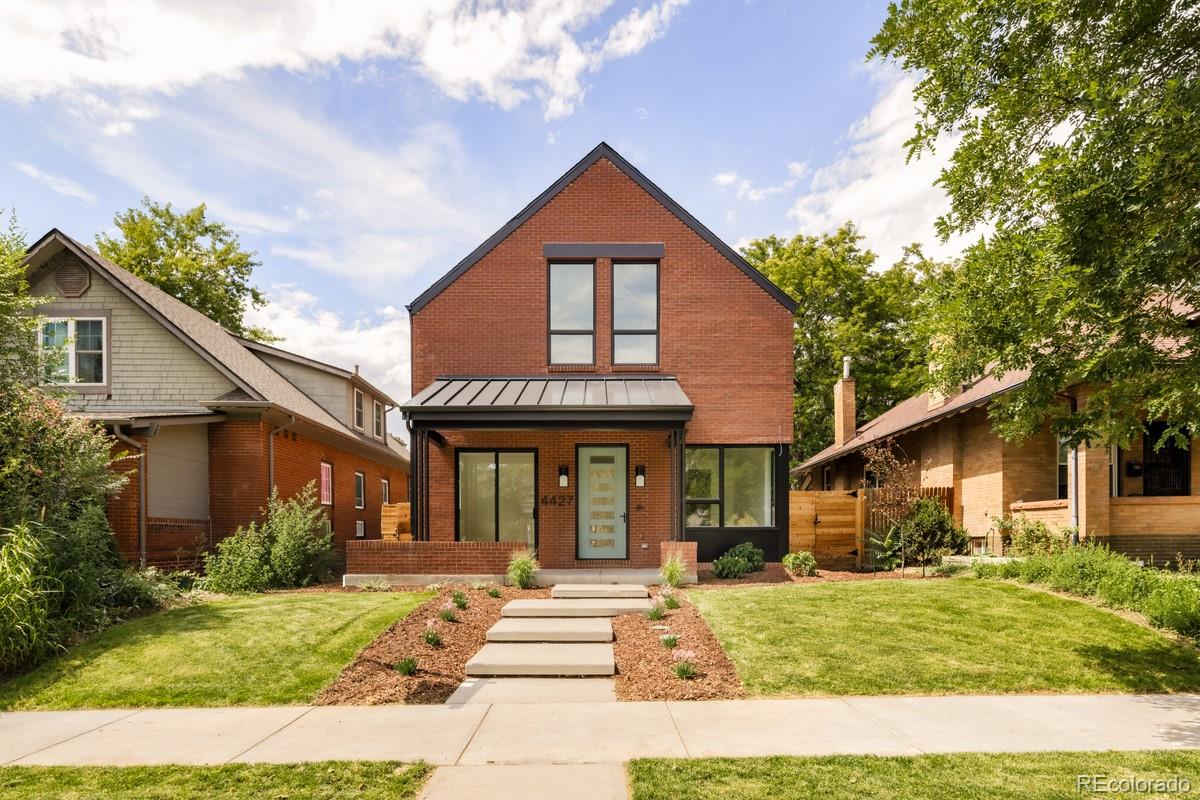
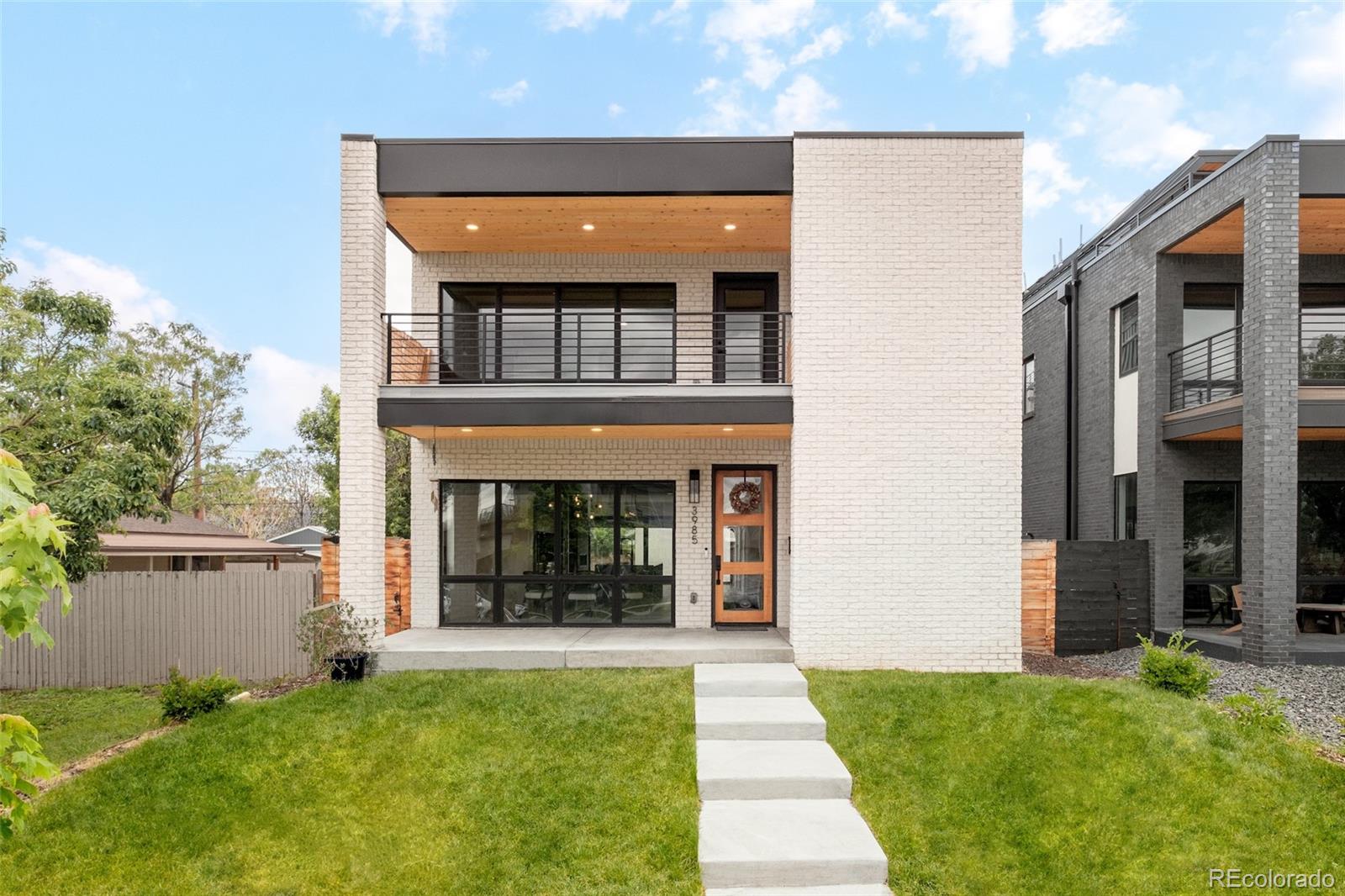
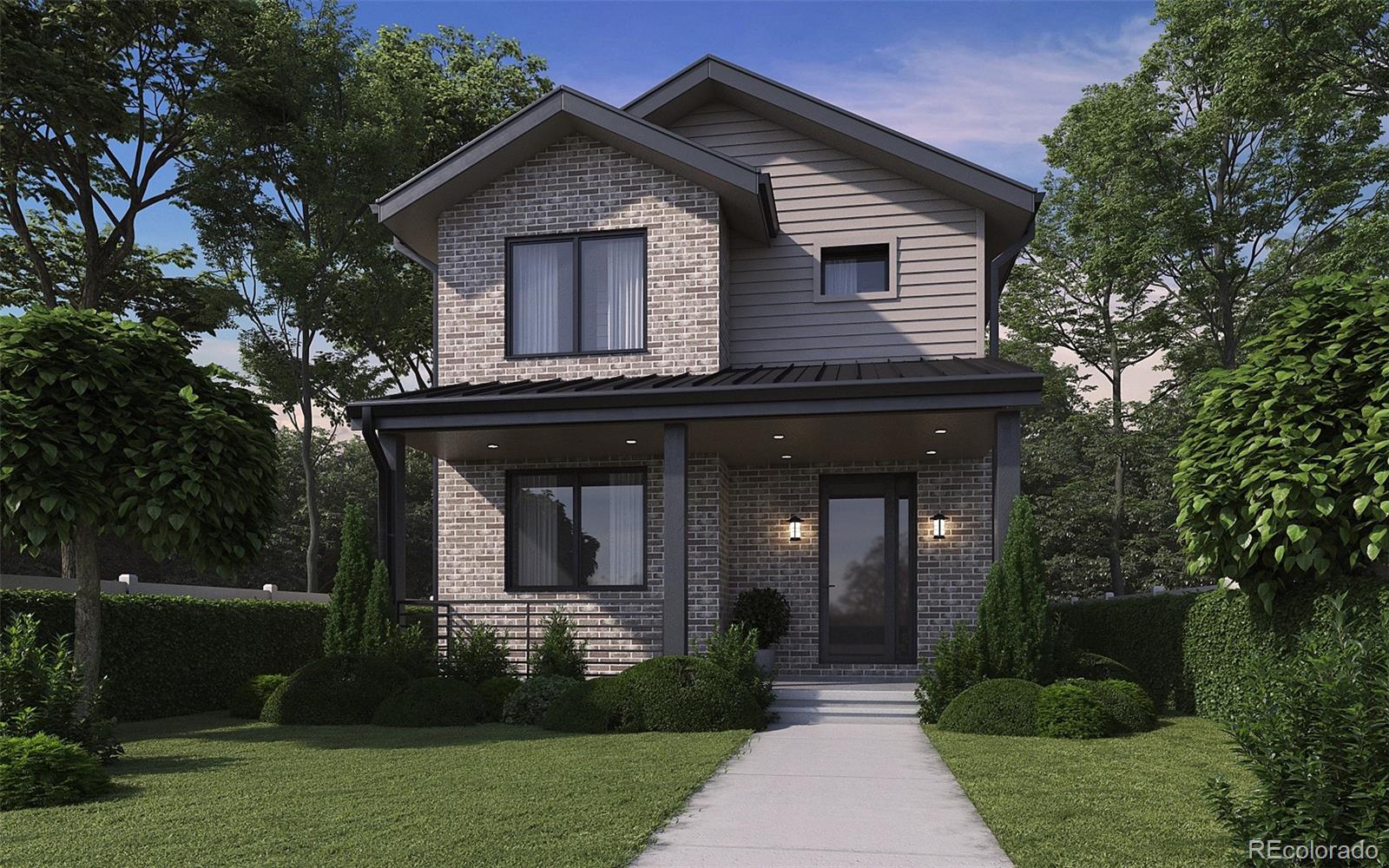
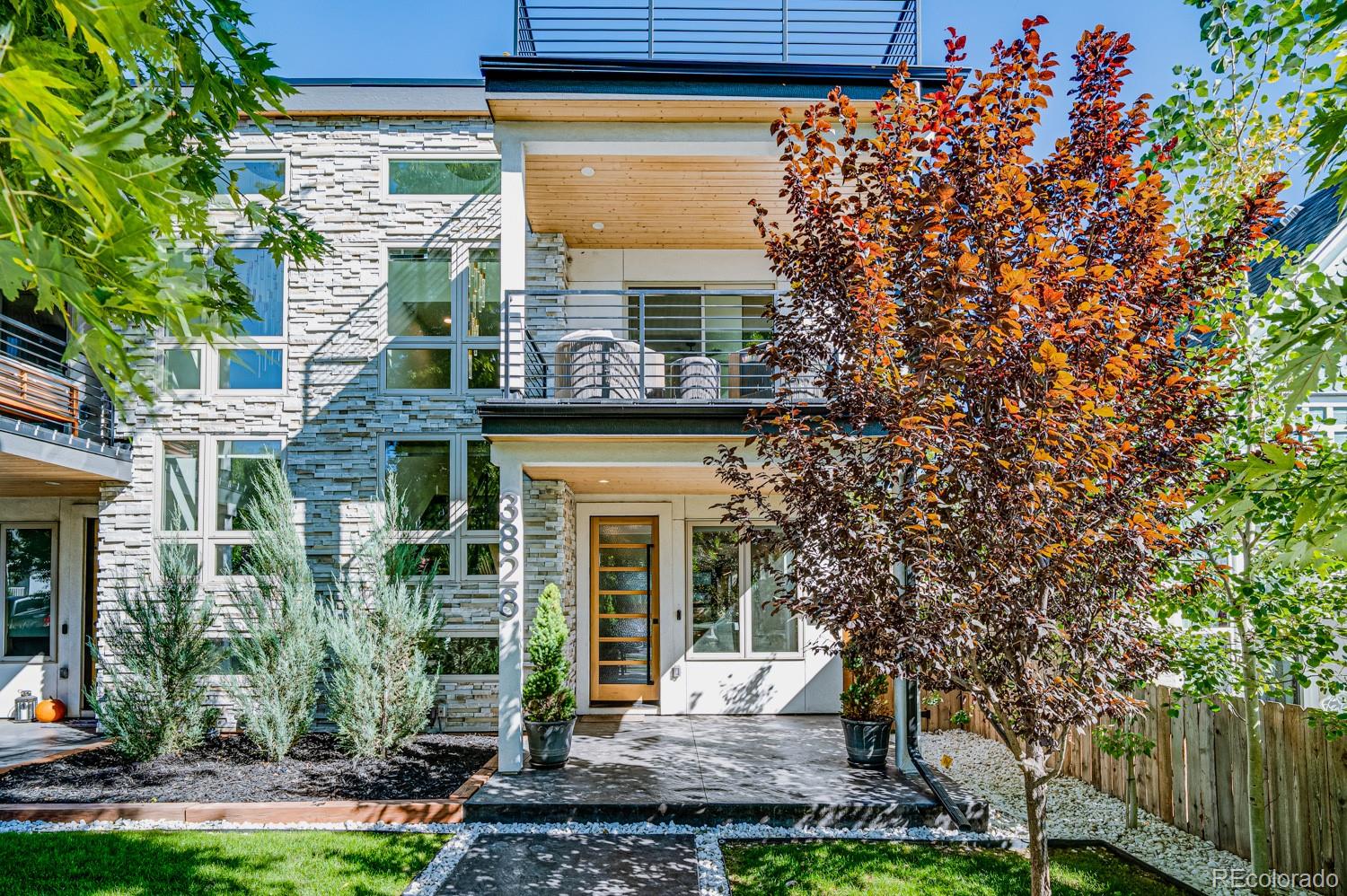
You have old Victorians and brick bungalows, small cottages, newer duplexes and contemporary infill all mixed together. There are quiet residential blocks, pockets of restaurants and neighborhood businesses, easy access to the rest of northwest Denver, and a housing stock that can change dramatically from one street to the next.
For buyers who like northwest Denver but don't necessarily need to live directly on Tennyson Street or in the middle of LoHi, Sunnyside can be a really compelling alternative.
And because I've lived here, worked here and watched it change over time, I tend to look at Sunnyside a little differently than somebody evaluating it entirely from current sales data.
The individual block matters.
The house matters.
And the difference between a good renovation and a house that merely photographs well matters a lot.
I lived near 42nd and Bryant when I was starting my real estate career.
My first listing came from the duplex I was renting at the time.
My landlord decided to sell it and gave a brand-new agent an opportunity that mattered enormously to me.
That property became the beginning of my listing business.
A lot of my first relationships in Denver were formed around Sunnyside too. Friends, neighbors, clients and people I still know today.
That's useful context because real estate expertise in an older neighborhood isn't just knowing the current median sale price.
It's remembering what streets looked like before the latest round of construction.
It's watching original homes get renovated, expanded or replaced.
It's seeing which commercial pockets developed into places neighbors actually use.
It's understanding why one block feels completely different from another even though the houses may look similar on Zillow.
I've had a front-row seat to a lot of Sunnyside's evolution.
And I still genuinely like the neighborhood.
One of the things I like about Sunnyside is that it has never depended on one giant attraction.
The neighborhood is made up of smaller places and routines.
The Universal is a perfect example.
It's been my favorite breakfast spot for years, and I've known the owners for more than a decade. It's the kind of neighborhood business that tells you more about Sunnyside than a list of amenities ever could.
You see people who live nearby.
You run into somebody you know.
It feels embedded in the neighborhood rather than dropped into it.
Sunnyside has more of those little pockets than people sometimes realize.
There are restaurants and businesses around 44th, Tejon and throughout the neighborhood, while the interior streets remain overwhelmingly residential.
I actually prefer that to having every block feel commercial.
You can live on a quiet street and still walk somewhere you genuinely want to go.
My personal history here is obviously much shorter than Sunnyside's.
This neighborhood has been around for generations.
Before the houses filled in, parts of the area were farms, orchards and smaller agricultural properties. Streetcar lines eventually helped transform Sunnyside into one of northwest Denver's early residential neighborhoods.
You can still read that history in the houses.
There are Victorian cottages and early two-story homes, brick bungalows from later periods, modest postwar houses and contemporary infill sitting on the same blocks.
That mixture is part of Sunnyside's identity now.
I remember watching the pace of change accelerate when I lived here.
Original houses were being renovated.
Duplexes and new construction started appearing.
Restaurants and businesses continued moving into the area.
But the best blocks never stopped feeling residential.
That's something I think Sunnyside has managed better than a lot of neighborhoods experiencing similar redevelopment pressure.
My listing at 4208 Umatilla Street is a good example of what I think works particularly well here.
It's a 1900 Victorian.
And because I've spent so much time around Sunnyside's older housing stock, I appreciate houses where someone has modernized the things that actually matter without erasing what made the property interesting in the first place.
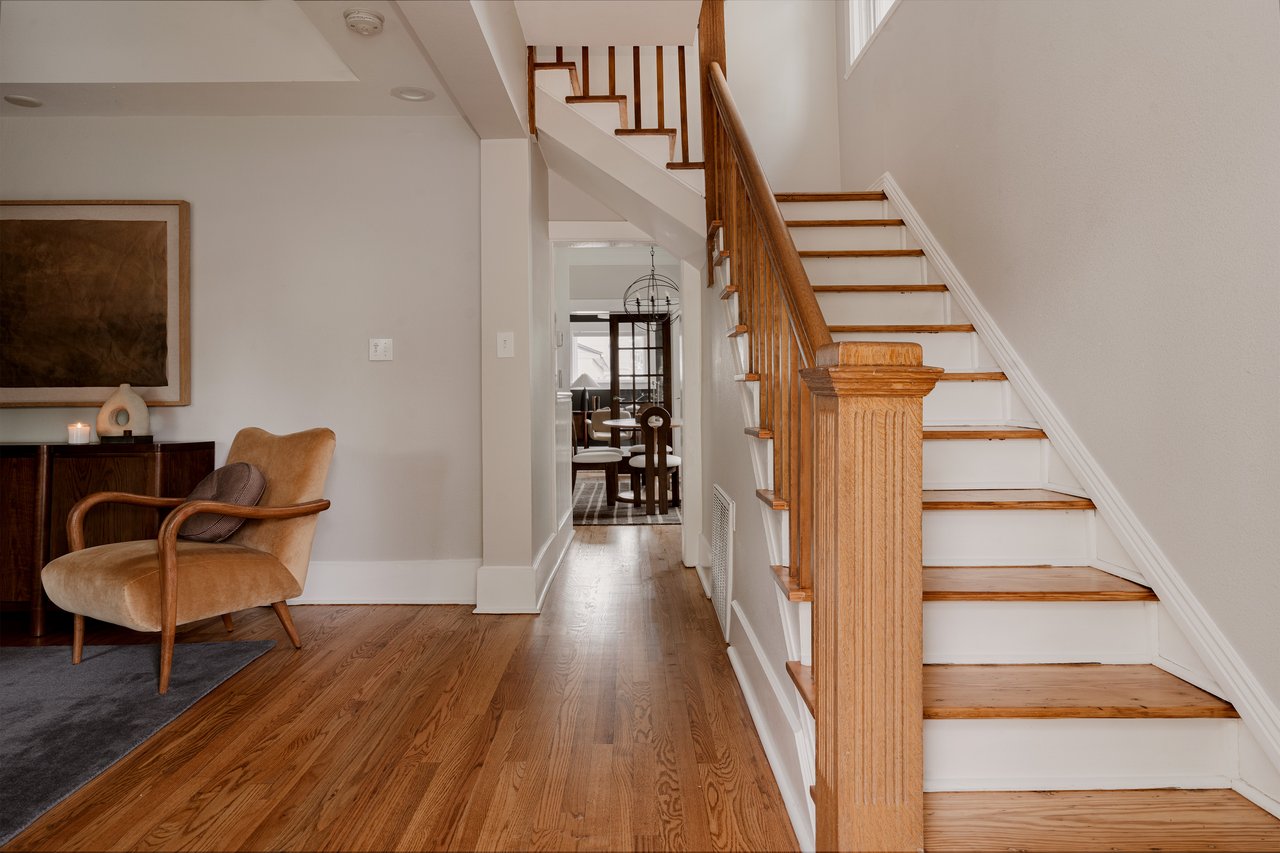
4208 Umatilla still has the covered front porch, hardwood floors, exposed brick, original-style staircase and defined rooms that make an older Denver house feel like an older Denver house.
But it also has three bedrooms upstairs.
A legitimate primary suite.
A dedicated main-floor office.
Three bathrooms.
A private backyard.
And a detached two-car garage.
That's the balance I look for.
Historic character is great.
Historic inconvenience is less charming.
READ MORE: 4208 Umatilla Street: A 1900 Victorian That Gets Sunnyside Right
I know both neighborhoods well, and I don't think Sunnyside needs to be described as the less-expensive version of Berkeley.
They're different.
Berkeley has Tennyson Street, which is one of the strongest concentrated commercial districts in northwest Denver. If you want restaurants, coffee, shopping and activity all centered along one obvious corridor, that's a huge advantage.
Sunnyside is more dispersed.
There isn't one street carrying the entire identity of the neighborhood.
The result is that many Sunnyside blocks feel quieter and more residential.
I like both.
I've spent a lot of time in Berkeley professionally and personally, but when I lived near 42nd and Bryant, one of the things I appreciated about Sunnyside was how quickly you could move between quiet neighborhood streets and the rest of northwest Denver.
I wouldn't pick between the two based on which neighborhood somebody says is hotter.
I'd buy the better house on the better block for the way you actually want to live.
This is one of those things that's difficult to understand from an online map.
Four or five blocks can materially change the experience.
A house closer to 44th and Tejon has a different relationship to restaurants and neighborhood businesses than one farther east.
The eastern side starts interacting more with the rail corridor, I-25 and the continuing changes around 41st & Fox.
Farther west, you're increasingly connected to Berkeley and Federal Boulevard.
And some of the interior blocks are simply quiet residential streets full of older detached houses.
Having lived around 42nd and Bryant, I learned pretty quickly that Sunnyside isn't one uniform product.
That's why when I'm helping somebody buy here, I don't just send them every listing inside a polygon.
I want to know the street.
I want to know what's behind the house.
I want to know what the neighboring properties look like.
I want to know whether the buyer can actually walk to the places they think they're going to walk to.
Those details matter more than the neighborhood label.
I got my first listing in Sunnyside.
It was the duplex I was renting when I first got licensed, and I've never really forgotten what that opportunity meant.
Today, my approach is obviously much more developed, but one part hasn't changed: every house needs its own reason for a buyer to care.
Sunnyside sellers sometimes undersell the things that are genuinely difficult to replace.
Three bedrooms on the same floor.
A real primary suite.
A usable backyard.
A two-car garage.
Original architecture.
A thoughtful addition.
A quiet block that's still walkable to neighborhood businesses.
Those things deserve more than a bullet point buried halfway down an MLS description.
My job is to identify what makes the property hard to replace and build the photography, video, written marketing, digital strategy and pricing around that.
Increasingly, I also create property and neighborhood-specific content so buyers researching Sunnyside through Google or AI tools can understand why a particular house matters before they ever schedule a showing.
4208 Umatilla is a good example of that approach.
Sunnyside is also one of the neighborhoods where my personal network can matter.
A lot of my earliest Denver relationships were formed here, and I still know homeowners, past clients and people connected to the neighborhood.
That doesn't mean I have a secret list of houses that are magically available.
Off-market doesn't work that way.
But when a buyer wants something specific in Sunnyside, I have more places to start than just waiting for a new MLS notification.
I can talk to people.
I can reach out directly to homeowners.
I can call other agents.
I can use neighborhood relationships that go back years.
And I can tell somebody credibly that I have a real buyer rather than sending another generic "I have buyers for your home" postcard.
That's what sourcing actually looks like.
Yes.
I lived near 42nd and Bryant when I first became a real estate agent, and my first listing was the Sunnyside duplex I was renting from my landlord.
Many of my earliest friends, professional contacts and clients in Denver were connected to Sunnyside, and I continue to work with buyers and sellers throughout the neighborhood and northwest Denver.
Sunnyside is in northwest Denver, generally bounded by W. 38th Avenue on the south, I-70 on the north, Federal Boulevard on the west and the railroad/Inca Street area on the east.
It sits directly north of Highland and east of Berkeley.
Sunnyside has an unusually broad mix of housing.
Buyers will find Victorian cottages, early two-story homes, bungalows, brick cottages, postwar houses, renovated historic properties, duplexes, townhomes and contemporary infill.
That's one reason property-by-property analysis matters here more than a broad neighborhood average.
The Universal is my personal favorite.
I've been going there for years and have known the owners for more than a decade. It's one of the neighborhood businesses I associate most strongly with Sunnyside.
Sunnyside is its own Denver neighborhood.
People often group Sunnyside, Highland, West Highland and Berkeley together when talking broadly about northwest Denver, but they're distinct neighborhoods with different housing, commercial areas and overall feel.
Berkeley has the more concentrated commercial district around Tennyson Street.
Sunnyside is more decentralized and many residential blocks feel quieter.
Both contain a mix of historic homes and substantial newer infill, and buyers frequently consider both.
Parts of Sunnyside are very walkable, but the experience changes depending on the specific address.
Homes near neighborhood commercial pockets around 44th and Tejon have restaurants and businesses close by, while many interior areas are primarily residential.
Sewer lines, foundations, drainage, electrical systems, plumbing, roofs, windows, insulation and previous additions all deserve careful evaluation.
In a century-old house, I care much more about the quality of the work behind the finishes than whether someone recently installed new countertops.
Yes, although there isn't one secret database of them.
Finding potential off-market properties usually involves direct homeowner outreach, existing neighborhood relationships, agent networking and knowing specifically what a buyer is trying to find.
Because my own history and professional network in Sunnyside go back to the beginning of my real estate career, it's one of the areas where I particularly like doing that work.
Sunnyside is one of the neighborhoods where my personal history and professional life overlap.
I lived here when I was starting out.
I got my first listing here.
Some of my earliest Denver relationships started here.
And more than a decade later, I still have favorite places and people in the neighborhood.
That doesn't mean I'm going to tell you every Sunnyside house is great.
Some aren't.
Older houses have quirks.
New construction has tradeoffs.
Certain blocks are better than others.
Some renovations deserve a premium and some absolutely do not.
My job is to help you figure out the difference.
For sellers, it's identifying what makes the property difficult to replace and making sure buyers understand it.
For buyers, it's looking past the staging and finding the right combination of house, block, condition and price.
That's the kind of neighborhood knowledge I think is actually useful.
If you're considering selling a Sunnyside home, I'm happy to give you a straightforward opinion about its value, how I'd position it and whether I think there may be a private buyer before you ever commit to going on the market.
And if you're looking to buy here but the right property isn't available, we can go looking for it.
I've been connected to Sunnyside since the beginning of my real estate career.
It's a neighborhood I'm always happy to come back to.
Jon Mottern
Broker Associate
The Source at SERHANT.
720-498-3555